Publications
* indicates co-first authorship
-
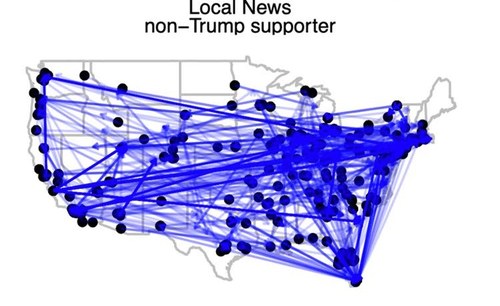
The consumption of pink slime journalism: Who, what, when, where, and why?
-
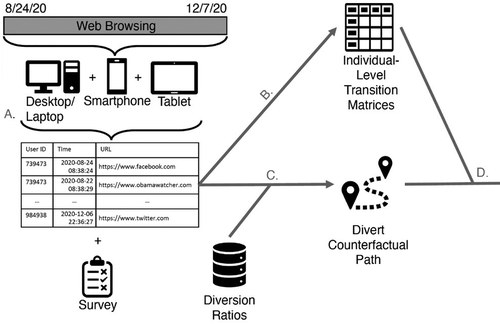
Multi-platform referrers of misinformation: A comparative analysis of misinformation visits referred by Facebook, Twitter, Instagram, Reddit, YouTube, Snapchat, and TikTok
-
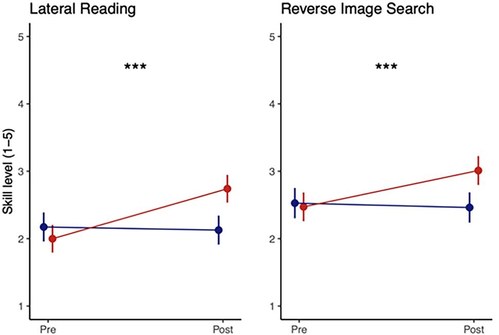
Building resilience to misinformation in communities of color: Results from two studies of tailored digital media literacy interventions
-
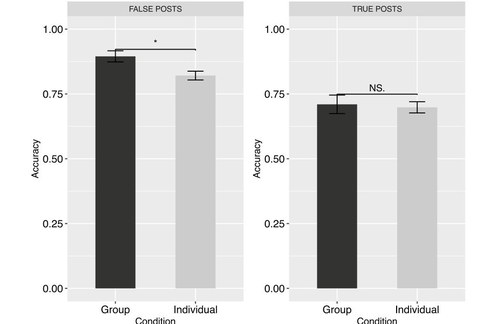
Collaboration, crowdsourcing, and misinformation
-
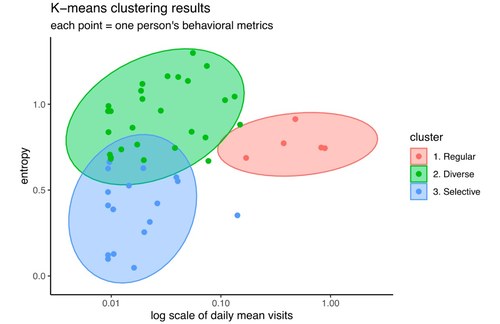
The private life of QAnon: A mixed methods investigation of Americans' exposure to QAnon content on the web
-
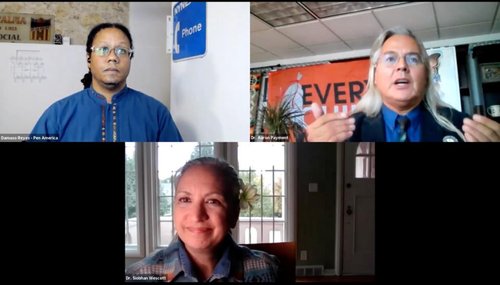
Designing misinformation interventions for all: Perspectives from AAPI, Black, Latino, and Native American community leaders on misinformation educational efforts
-
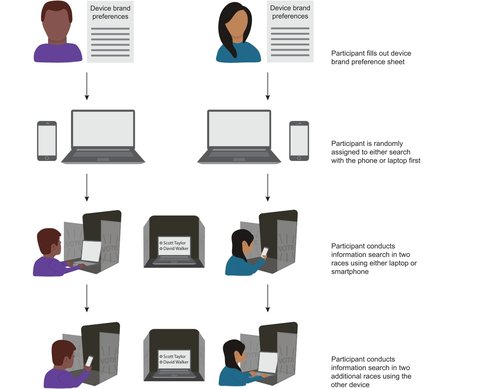
Political information search in "noisy" online environments: Insights from an experiment examining older and younger adults' searches on smartphones and laptops
-
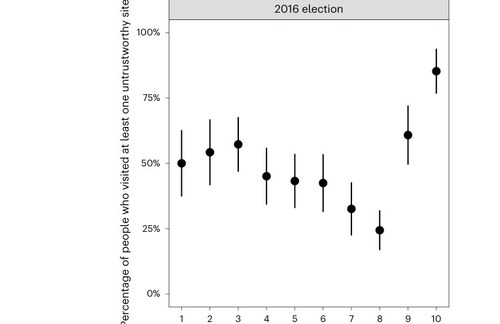
Exposure to untrustworthy websites in the 2020 US election
-
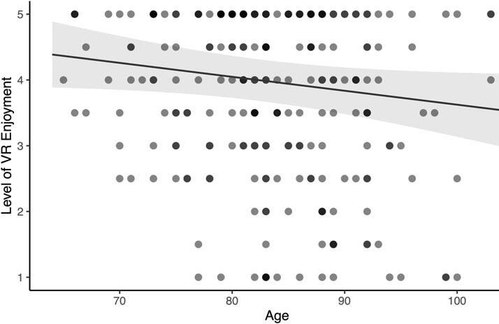
From 65 to 103, older adults experience virtual reality differently depending on their age: Evidence from a large-scale field study in nursing homes and assisted living facilities
-
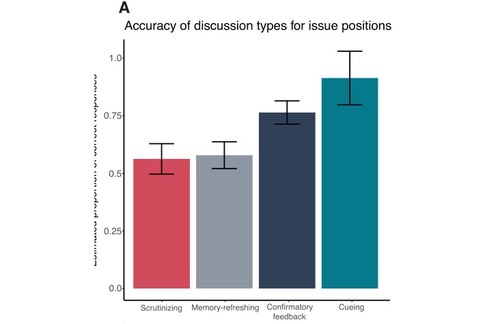
Interpersonal discussion and political knowledge: Unpacking the black box via a combined experimental and content-analytic approach
-
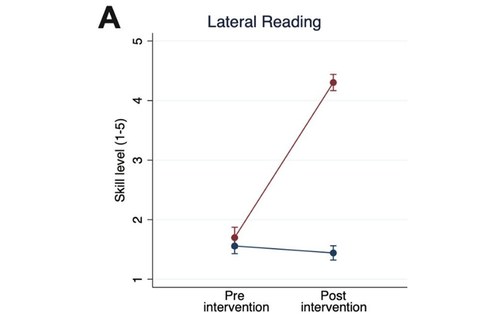
A digital media literacy intervention for older adults improves resilience to fake news
-
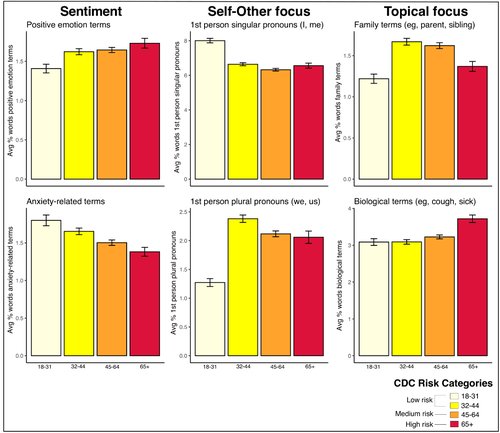
Age-related differences in experiences with social distancing at the onset of the COVID-19 pandemic: A computational and content-analytic investigation of natural language from a social media survey
-
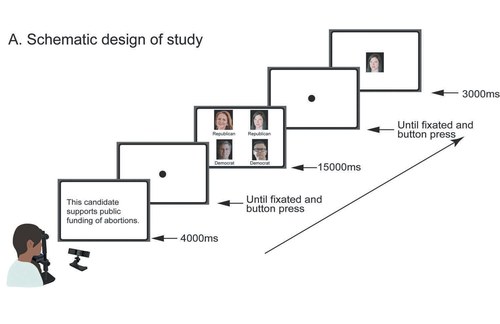
Do gender cues from images supersede partisan cues conveyed via text? Eye movements reveal political stereotyping in multimodal information environments
-
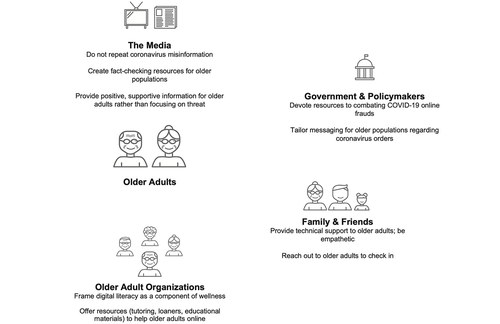
Older adults, social technologies, and the coronavirus pandemic: Challenges, strengths, and strategies for support
Working Papers
Extending Truth-Default Theory to misinformation: Connecting misinformation scholarship and deception research
Conditionally Accepted at Perspectives on Psychological Science
Exposure to (AI-generated) untrustworthy websites in the 2024 US presidential election
Revise & Resubmit
Strengthening digital media literacy: An experimental evaluation of verification skills, general warnings, and social correction strategies
Revise & Resubmit
A computational analysis of millions of scam and spam robocalls targeting older adults and the general public
Under Review
Generative AI and knowledge gains among older adults and people of color: Between opportunity and inequality
Under Review
Detecting synthetic, doubting authentic: AI attribution bias for political imagery
Under Review
Dissertation
Short Educational Videos Improve Older Adults' Digital Literacy and Resilience to Online Deception at Scale